
Links 4 April 2026
In the News
- Observer: Australia Follows Indonesia’s Stance on Noncompliant Global Digital Platforms – Child advocate Nahar believes that Indonesia is pioneering the effort to call out global digital platforms that fail to comply with bans on social media for children under 16. [Tempo]
- Indonesia government has decided not to raise fuel prices—for both subsidized and non-subsidized fuels—effective April 1, 2026. This decision comes despite a surge in global oil prices following the outbreak of the Israel-U.S.-Iran conflict on February 28, 2026. [CNBC Indonesia]
- Australians warned to brace for more encounters with deadly venomous snakes – According to an international research project, snakes are increasingly migrating towards densely populated coastlines with rising temperatures making traditional inland habitats unsuitable. [news.com.au]
- 6 Banks Have Gone Bankrupt in Indonesia as of April 2026 – OJK revoked the business license of BPR Pembangunan Nagari in accordance with Decision of the OJK Board of Commissioners No. KEP-28/D.03/2026 dated March 31, 2026, regarding the Revocation of the Business License of PT Bank Perekonomian Rakyat (BPR) Pembangunan Nagari. [Okezone]
- How Severe Tropical Cyclone Narelle Wreaked Havoc Across QLD, WA, and the NT – Narelle was the first system in 21 years to make landfall at three distinct times as a severe tropical cyclone (category three or stronger). [ABC Net AU]
- Prabowo Secures Rp574tn Investment from Japan, South Korea – Airlangga stated that this figure is highly significant. “Because Indonesia, amid uncertain geopolitical situations, continues to attract investors from both Japan and Korea,” he said while providing an update from Seoul, South Korea, as quoted via the Presidential Secretariat’s YouTube channel on April 2, 2026. [Tempo]
- Australia says it won’t raise drug prices after Trump’s 100% tariff on pharmaceuticals imported into US – Health minister Mark Butler says federal government is ‘not negotiating’ when it comes to removing price protections on common medications. [The Guardian]
- Medan court acquits videographer of marking up prices for village videos – Prosecutors charged Amsal Christy Sitepu for allegedly putting marked-up budgets on his proposal to make profile videos for 20 villages in Karo regency, North Sumatra, from 2020 to 2022. [The Jakarta Post]
- Australia to crack down on gambling ads after years of criticism – The suite of measures will further limit when and where gambling ads can appear, as well as who can star in them – but it stops short of a full ban, which had cross-party support and the backing of a range of community groups. [BBC]
In the Blog:
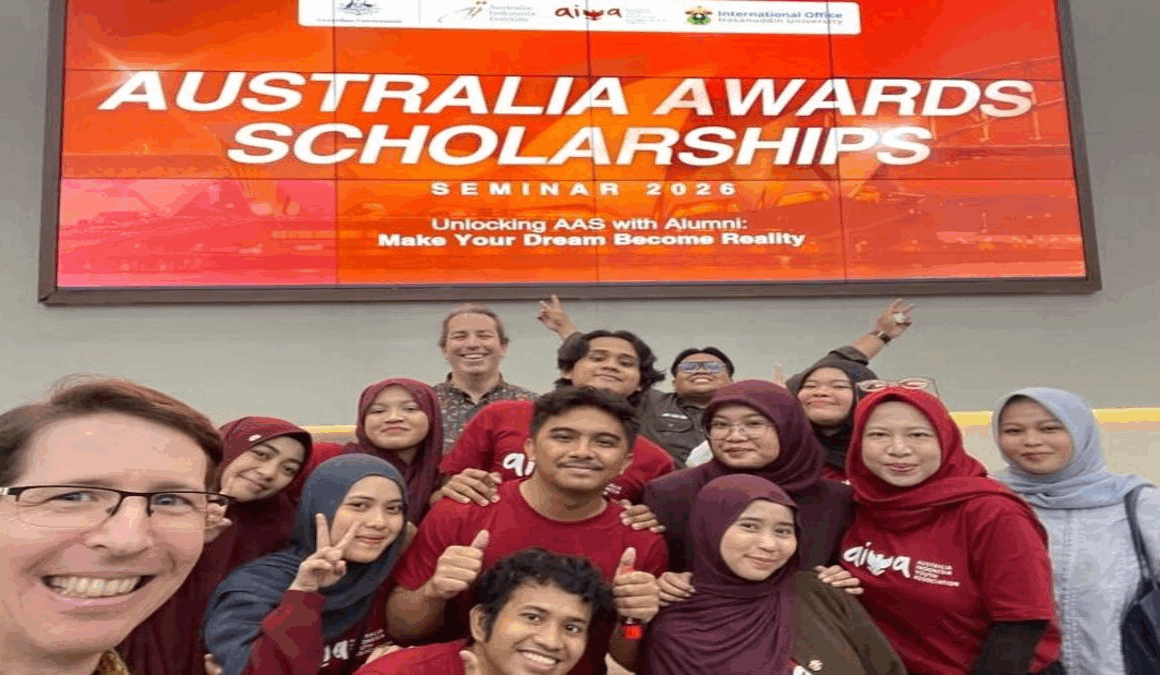
- Our recent AAS seminar with AIYA Sulsel and Unhas was a massive success! with all 170 seats snatched up in just three days! Attendees gained firsthand application tips from Australian Consul-General Todd Dias and two recent University of Melbourne alumni. If you missed the event, remember that this prestigious and inclusive scholarship remains open for applications until 30 April 2026. Check out our latest blog post for the full recap and a boost of inspiration for your own study journey!
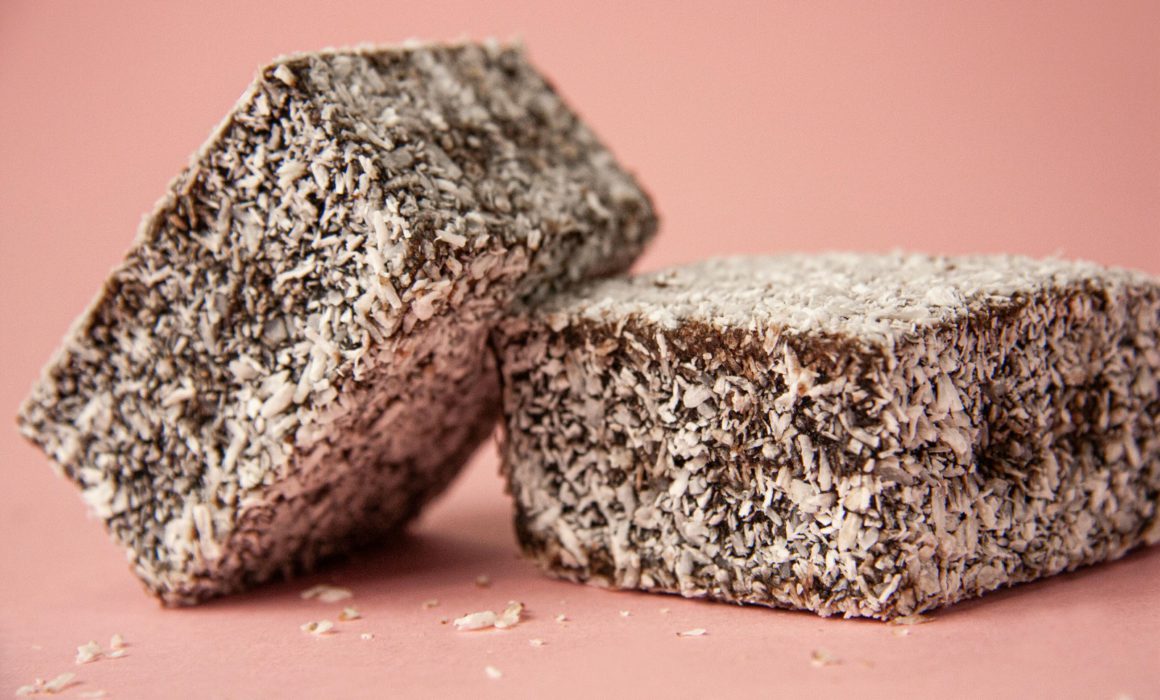
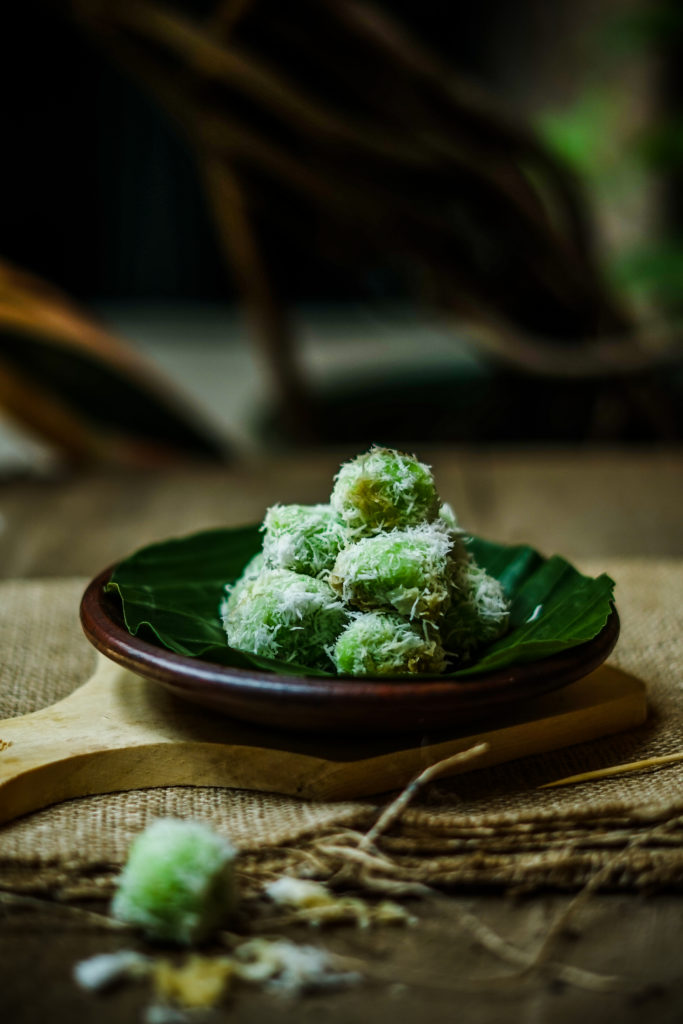
- At first glance, lamington and klepon could easily be mistaken for desserts from the same culinary tradition. Both are small, both are sweet, and both are generously coated in white grated coconut. Yet one is a beloved Australian cake, while the other is a traditional Indonesian kue. So what’s the difference? find out more with our Blog Editor Benetta Aditami about the same but difference culinary world of sweet snack in Separated by Seas, United by Coconut: The Story behind Lamington and Klepon
Tune In:
- Australians warned to vaccinate against fast-spreading flu variant – Infectious disease specialists are urging everyone to get a flu vaccination to try to prevent a repeat of last year which saw Australia experience a record number of deaths from influenza. [SBS AU]
- Rassela Malinda – Papua, development and politics from below In his inauguration speech in October 2024 President Prabowo Subianto reiterated his campaign pledge to “achieve food security in the shortest possible time”. Listen more in Talking Indonesia.
- From high-speed ‘electric highways’ that promise seamless road trips to vast regional charging blackspots that could leave drivers stranded, Australia’s EV revolution is racing ahead unevenly – raising the question: is the country really ready to go fully electric, or are we building a future on flat batteries? Listen more in SBS News AU.
Events:
- Suara Dance is back in Naarm/ Melbourne with a new course and new style of dance. Led by Uni Aletta, this term we will delve into Minangkabau Culture with Tari Rantak. The six-week program runs on Saturdays from 28 March – 2nd May and is open to all levels. Register here.
- JOIN AIYA LANGUAGE EXCHANGE (IN-PERSON or ONLINE!) LX is back in multiple locations across Australia. Connect, chill, and converse with like-minded youth, meet new friends and engage in cross-cultural exchange. Make sure to follow your local chapter on Instagram for updates on the next LX event near you!
- AIYA ACT – Come and try playing Javanese Gamelan with AIYA ACT and ANUISA every Monday, @5.30pm in Room 630, Level 6 of the Llewellyn Hall at ANU.
- Language Exchange is back! AIYA NSW hosts weekly LX sessions on Thursdays, alternating between in-person at Darling Square or online. Follow our Instagram @aiya_nsw for weekly updates and topics!
Opportunities:

We’re so excited to share our newest partnership: AIYA x Cinta Bahasa! 🎉🤝
All AIYA members can now enjoy 15% off Cinta Bahasa’s online or in-person Indonesian language classes! To register, simply log in to your AIYA membership dashboard > Resource Center > Cinta Bahasa.
- Australia Awards – Are you a future leader from Indonesia aspiring to pursue a Masters or PhD at an Australian university? Australia Awards is now accepting application! Apply and experience a world-class education in Australia. Applications close on 30 April 2026. Visit the website for more information!
- Monash University is looking for a Project Manager! If you feel like someone who have climate change policy background, extensive experience in project management and education training, you might the perfect fit for this role! find out more information about this role here!!
- Volunteer positions for WIIS-A (Women in International Security – Australia) are available. Come and check the position of Communication officer and Events officer. Apply ASAP.
- The Global Scholars Club is a new community helping underrepresented young people access international opportunities by sharing real stories, free resources, and practical insights from past scholars. We publish reflections and guides on our Substack – you can check it out here.
The founder, Billy Blackett, is particularly passionate about Indonesia, having participated in the Australian Indonesian Youth Exchange Program. He shares regular updates on opportunities and reflections via LinkedIn, and is always happy to field questions or provide application support as a Rhodes Scholar and alumnus of NCP and AIYEP. Connect with Billy for more insight! - Department of Foreign Affairs and Trade (DFAT) is looking for several positions to fill with various closing dates. Click here for more information!
- The Australian Volunteers Program matches skilled Australians with partner organisations across the Pacific, Asia, and Africa to support them to achieve their own development goals. If you’re interested in volunteering check-out a range of opportunities here!!
- Indo Beyond Borders (IBB) is an Indonesian tutoring service, where language learning goes beyond the textbook. Join IBB and embark on an immersive learning experience that’s as dynamic and vibrant as Indonesia itself. Here to check more information
- The Jakarta Bintangs is an Australian Football Club with membership open to anyone, beginners are most welcome. The club organizes games throughout the year, mostly in Jakarta, with occasional games across Indonesia and overseas. Tours are planned to Bali, Batam, Vietnam and Thailand this year. Training is mostly held at Lapangan Bola Aldiron in Jakarta on Saturday/ Sunday afternoons. On occasion, training sessions are also held Thursday nights in the GBK complex. To keep up to date with the training schedule follow them on Instagram @jakartabintangs. For more information click here.
- The Australian Government is receiving applications for the Working Holiday Maker program that allows young adults to have a 12 month holiday, during which they can undertake short-term work and study. More info here
- The Australian National University Indonesia Project is offering a number of grants and fellowships. Find out more about the opportunities such as Collaborative Research Grants, and Visiting Fellow Grants.
- The Australian Trade and Investment Commission (Austrade) helps grow Australia’s prosperity by delivering quality trade and investment services to businesses, accelerates growth in Australia’s tourism sector and promotes Australia’s education to the world. Find a list of available vacancies here.