
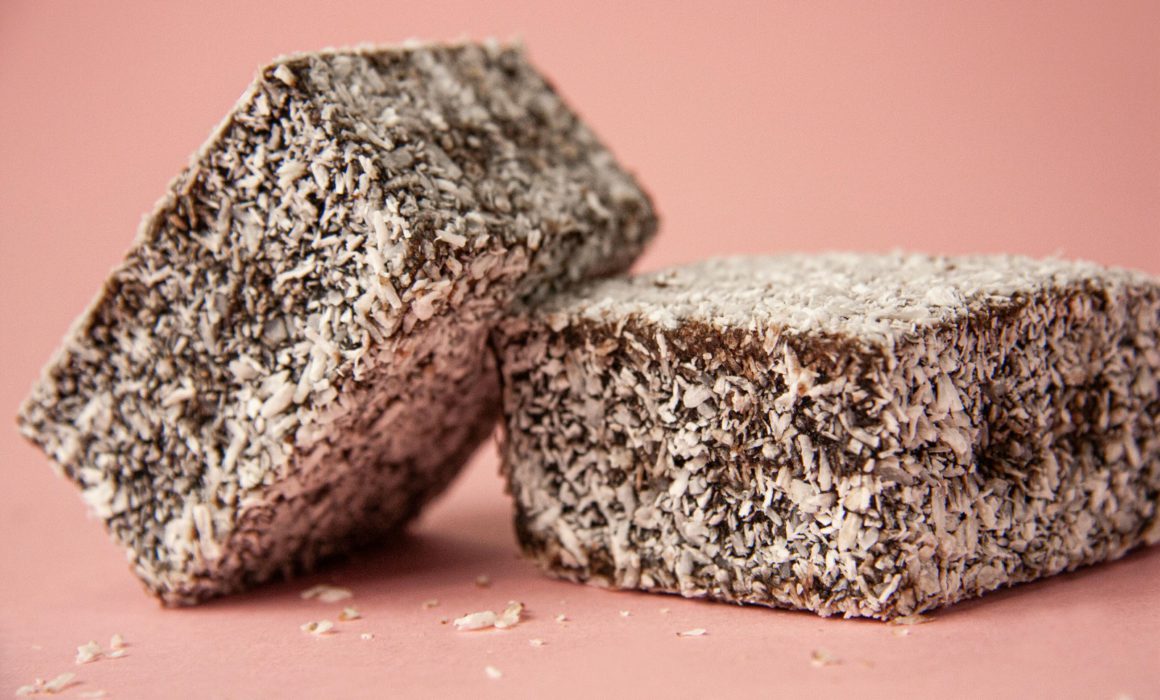
Separated by Seas, United by Coconut: The Story behind Lamington and Klepon
At first glance, lamington and klepon could easily be mistaken for desserts from the same culinary tradition. Both are small, both are sweet, and both are generously coated in white grated coconut. Yet one is a beloved Australian cake, while the other is a traditional Indonesian kue found in markets and homes across the archipelago. Their visual similarity is striking, especially considering the vast geographical and cultural distance between the two countries. This resemblance offers more than a curious food comparison. It opens a small but meaningful window into how shared ingredients and environments can shape food cultures in parallel, quietly reflecting the broader connections between Australia and Indonesia.
Lamington is widely regarded as one of Australia’s most iconic cakes. Originating in Queensland, it consists of squares of sponge cake dipped in chocolate icing and rolled in desiccated coconut. Some variations include a layer of jam or cream, but the defining feature remains its coconut-coated exterior. In this dessert, coconut is not the primary flavor but a practical and textural finish. It prevents the chocolate coating from becoming too sticky, adds a pleasant bite, and gives the cake its distinctive appearance. Lamington represents how European-style baking traditions adapted to local conditions, incorporating ingredients that were abundant in Australia’s tropical and subtropical regions.
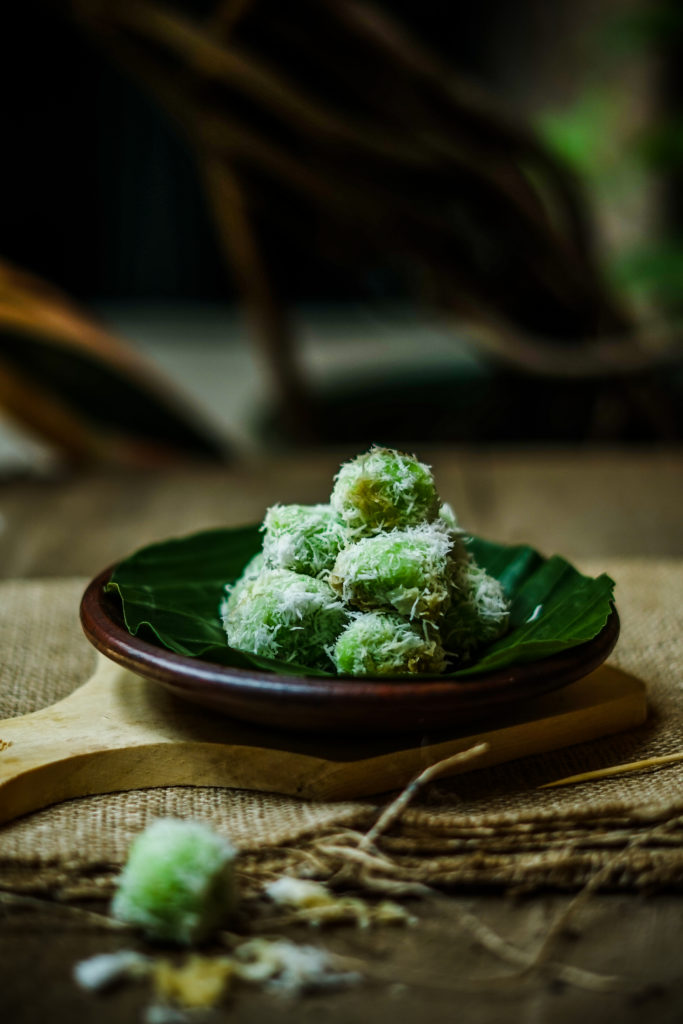
Klepon, by contrast, belongs to Indonesia’s long-standing kue tradition. It is formed from glutinous rice dough, filled with liquid palm sugar, boiled, and then rolled in freshly grated coconut. When eaten, the chewy exterior gives way to a burst of melted sweetness inside. Here, coconut is essential rather than decorative. It balances the sweetness of the filling, adds texture, and prevents the sticky surface from clumping. Coconut is deeply embedded in Indonesian cooking, making klepon a natural expression of local ingredients and culinary habits.
The resemblance between lamington and klepon is not the result of direct influence, but of practical culinary logic. Coconut serves similar purposes in both desserts: it reduces stickiness, improves texture, helps retain moisture, and makes the sweets easier to handle. Both are also bite-sized treats often served at gatherings, celebrations, or as everyday snacks. They evoke familiarity and nostalgia, commonly found in bakeries, markets, and home kitchens. Despite their different ingredients, their shared coconut coating gives them an almost twin-like appearance.
Geography and history help explain this convergence. Australia’s lamington developed within colonial kitchens shaped by European baking techniques, while klepon emerged from indigenous rice-based culinary traditions in Southeast Asia. Over time, trade routes and colonial networks facilitated the movement of ingredients such as sugar and coconut across regions. However, each culture incorporated these ingredients according to its own culinary framework. The result is two distinct desserts that reflect different histories yet respond to similar environmental conditions and available resources.
In a broader sense, the visual similarity between lamington and klepon serves as a gentle reminder of the shared environmental and cultural threads linking Australia and Indonesia. While their food traditions remain distinct, common ingredients like coconut reveal how geography can shape culinary creativity in comparable ways. Through these two desserts, we see how separate kitchens, guided by different histories, can arrive at surprisingly similar expressions of sweetness.
Article written by Benetta Swasti
Translated by Ezy Wiranda