Beyond the Ban: Seperti Apa Kesejahteraan Digital di Mata Anak Muda?
Ditulis oleh Jyoti Putri – AIYA National Blog Editor
Diterjemahkan ke dalam bahasa Indonesia oleh Dhiah Rizka Raihani – AIYA National Translator. Lihat versi bahasa Inggris di sini.
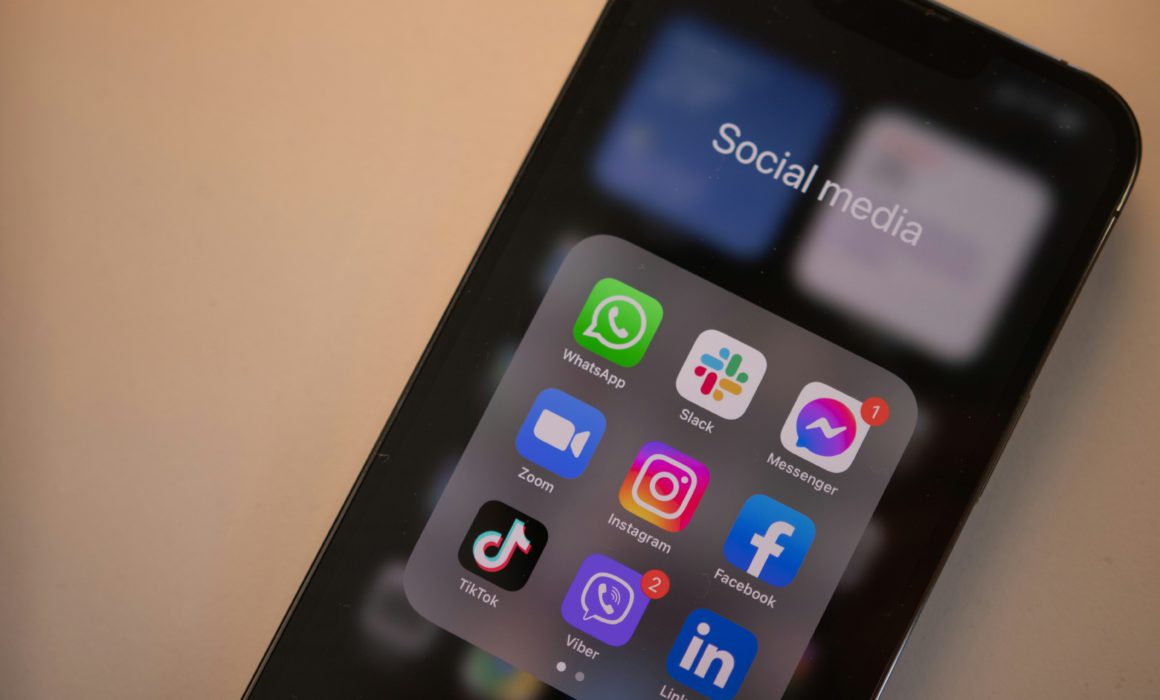
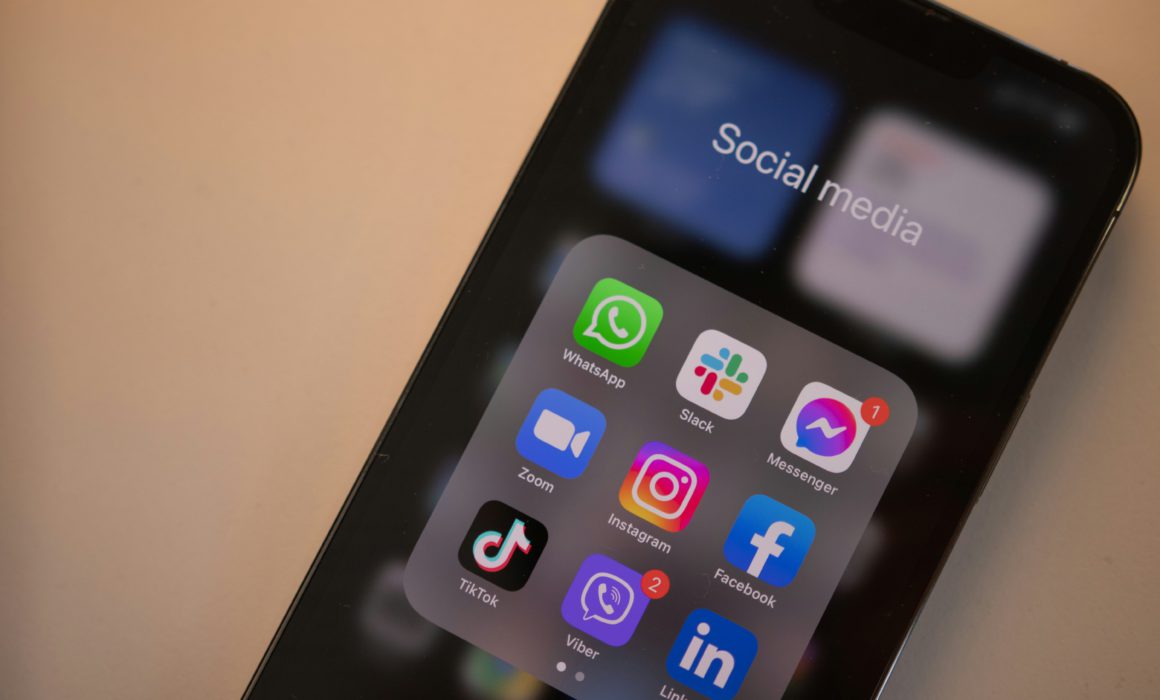
Pemerintah Indonesia akan secara resmi mulai membatasi anak di bawah usia 16 tahun untuk memiliki akun media sosial pada 28 Maret 2026. Langkah ini diambil tak lama setelah Australia memberlakukan kebijakan serupa pada 10 Desember 2025. Kebijakan ini mewajibkan platform “berisiko tinggi” seperti Instagram dan TikTok untuk menonaktifkan serta membatasi akun milik pengguna di bawah usia 16 tahun. Kedua pemerintah mengklaim bahwa langkah ini bertujuan untuk melindungi pengguna muda dari dampak buruk media sosial serta mempromosikan ‘kesejahteraan digital’ (digital well-being). Namun, jika kebijakan ini diperkenalkan demi kesejahteraan anak, sebuah pertanyaan mendasar perlu diajukan: apa sebenarnya arti ‘kesejahteraan digital’ bagi anak-anak dan remaja saat ini?
Apa Itu Kesejahteraan Digital?
Organisasi Kesehatan Dunia (WHO) mendeskripsikan kesejahteraan sebagai “sumber daya untuk kehidupan yang sehat” dan “kondisi kesehatan positif” yang lebih dari sekadar “tidak adanya penyakit,” yang memungkinkan seseorang berfungsi dengan baik secara fisik, psikologis, emosional, dan sosial.
Secara spesifik, kesejahteraan digital didefinisikan dalam berbagai cara. UNESCO merujuknya sebagai “peningkatan kesejahteraan manusia dalam jangka menengah dan panjang melalui penggunaan media digital.” Sementara itu, Abeele menjelaskannya sebagai “pengalaman subjektif individu mengenai keseimbangan optimal antara manfaat dan kerugian yang diperoleh dari konektivitas seluler.” Google memberikan definisi serupa, yaitu kemampuan untuk menemukan keseimbangan dengan teknologi sehingga meningkatkan kualitas hidup, alih-alih menjadi pengalih perhatian.
Dengan kata lain, kesejahteraan digital adalah kondisi di mana seseorang memiliki hubungan yang sehat dan seimbang dengan teknologi, memastikan bahwa perangkat digital mendukung, bukan menghambat, kesehatan fisik, mental, dan sosial.
Konstruk yang multifaset ini mencakup berbagai komponen. Powell (2022) mengidentifikasi empat komponen utama dalam kesejahteraan digital, yaitu kontrol, koneksi, konten, dan atensi (perhatian). Kontrol merujuk pada kapan dan bagaimana kita menggunakan teknologi, serta apakah penggunaan tersebut selaras dengan kondisi pribadi kita. Koneksi menggambarkan bagaimana dan di mana kita mengakses teknologi, serta biaya finansial dan peluang yang terkait dengannya. Konten merujuk pada apa yang kita lakukan secara daring, kontribusi apa yang kita berikan, cara kita berkomunikasi, dan bagaimana kita membentuk lingkungan digital kita. Atensi (perhatian) mencakup kemampuan untuk melepaskan diri dari perangkat dan platform digital sesuai dengan nilai-nilai pribadi maupun nilai yang lebih luas.
Oleh karena itu, kesejahteraan digital harus menjadi inti dari pembahasan mengenai penggunaan media sosial oleh kaum muda, karena kesejahteraan digital yang baik berarti memaksimalkan manfaat teknologi sambil meminimalkan risikonya.
Bagaimana Larangan Mendukung Kesejahteraan Digital Remaja
Aturan yang lebih ketat ini merupakan respons pemerintah terhadap masalah nyata yang dihadapi pengguna muda. Media sosial terbukti memberikan akses paparan terhadap konten negatif, perundungan siber (cyberbullying), kecanduan, dan misinformasi, terutama bagi pengguna muda yang secara psikologis belum memiliki kemampuan memadai untuk memilah konten. Kehadiran Kecerdasan Buatan (AI) juga memperberat tantangan di ruang digital karena kemampuannya memanipulasi konten yang sulit dibedakan dari informasi asli. Orang tua sering kali melaporkan kesulitan dalam mengawasi anak-anak mereka, karena terdapat batasan tipis antara melindungi mereka dari bahaya digital dan menghargai privasi mereka.
Menteri Komunikasi dan Digital Indonesia, Meutya Hafid, menyebutkan bahwa larangan media sosial bagi anak di bawah 16 tahun adalah bentuk keterlibatan negara agar orang tua tidak perlu “berjuang sendirian melawan algoritma raksasa.” Dari sudut pandang ini, logika pelarangan tersebut dapat dipahami. Dengan membatasi akses, pemerintah turut membatasi paparan anak terhadap efek berbahaya media sosial. Hal ini juga dapat mendorong anak-anak untuk beristirahat dari aktivitas scrolling yang tiada henti dan menghabiskan lebih banyak waktu dalam interaksi dunia nyata, yang dapat membantu memperkuat keterampilan sosial dan hubungan luring mereka.
Bagaimana Pengguna Muda Memandang Media Sosial dan Kesejahteraan Digital?
Namun, perspektif kaum muda sendiri menunjukkan bahwa masalah ini jauh lebih kompleks daripada sekadar pembatasan akses. Sebuah riset yang melibatkan pemuda dari 111 negara menemukan bahwa banyak dari mereka melihat media sosial sebagai “alat, layaknya pisau, tergantung pada bagaimana kita menggunakannya.” Mereka juga menggambarkan ruang digital sebagai bagian yang tak terpisahkan dari kehidupan nyata.
Anak muda menyadari risiko yang ada. Mereka melaporkan bahwa media sosial mendorong perbandingan sosial yang konstan, baik dengan rekan sebaya maupun dengan influencer. Mereka juga menyebutkan perundungan sebagai salah satu aspek negatif paling signifikan dalam komunikasi digital. Remaja membagikan contoh di mana pelaku perundungan mengunggah komentar menyakitkan atau menyebarkan kebohongan secara daring, namun bersikap seolah tidak terjadi apa-apa saat berinteraksi tatap muka. Dalam situasi ini, banyak dari mereka mengharapkan wawasan dan bimbingan yang lebih besar dari orang tua maupun orang dewasa lainnya. Hal ini menunjukkan bahwa kesejahteraan digital juga bergantung pada apakah anak-anak dan remaja diberikan dukungan yang diperlukan untuk menavigasi bahaya, bukan dibiarkan menghadapinya sendirian.
Di saat yang sama, para partisipan setuju bahwa media sosial dapat membantu mengelola kesejahteraan mereka. Media sosial memungkinkan mereka untuk tetap terhubung dengan teman kapan saja dan di mana saja, yang memperkuat hubungan antarmanusia. Hal ini juga memperluas kemampuan mereka untuk mengembangkan koneksi sosial di luar apa yang tersedia secara luring, memberikan dukungan sosial yang penting bagi kesejahteraan mereka. Sebagaimana dinyatakan oleh seorang remaja perempuan dari Chile:
“Terkadang kamu merasa betah di internet karena ada orang-orang yang bisa kamu kenal, yang misalnya memiliki minat yang sama, sehingga kamu tidak lagi merasa ditolak… Orang-orang di sekitarmu mungkin tidak menerimamu… [Internet] bisa membuatmu merasa lebih baik, seolah kamu tidak sendirian.”
Riset juga menunjukkan bahwa intervensi kesehatan mental berbasis media sosial atau digital lainnya sering kali lebih bermanfaat bagi anak-anak dan remaja dibandingkan intervensi luring karena adanya faktor otonomi, privasi, dan aksesibilitas yang lebih tinggi. Contoh-contoh ini menunjukkan bahwa kesejahteraan digital bagi anak dan remaja saat ini mencakup koneksi, rasa memiliki, otonomi, dan akses terhadap dukungan.
Kesejahteraan digital juga erat kaitannya dengan identitas dan ekspresi diri. Bagi banyak anak muda, media sosial adalah ruang untuk mengeksplorasi jati diri, mengekspresikan pemikiran, serta membagikan kreativitas. Baik melalui seni, musik, tulisan, video, maupun gaya berbusana, platform ini memberikan rasa agensi dan pengakuan. Manfaat-manfaat ini biasanya terlihat jika terdapat partisipasi aktif, bukan sekadar penggunaan pasif seperti doomscrolling. Artinya, kesejahteraan digital bukan hanya soal akses terhadap teknologi, tetapi juga soal kualitas pengalaman daring dan kemampuan mereka untuk berinteraksi di ruang digital secara sehat dan terencana.
Kesimpulan
Jika pemerintah Australia dan Indonesia benar-benar ingin meningkatkan kesejahteraan digital di kalangan anak-anak dan remaja, maka konsep kesejahteraan digital harus dipahami secara lebih luas. Bagi kaum muda saat ini, hal tersebut bukan sekadar menghabiskan lebih sedikit waktu di depan layar atau dijauhkan dari media sosial. Ini adalah tentang merasa aman, didukung, terhubung, dan mampu menggunakan ruang digital dengan cara yang berkontribusi positif bagi kehidupan mental, sosial, dan emosional mereka.
Dilihat dari perspektif ini, pembatasan media sosial mungkin dapat mengatasi beberapa risiko, namun tidak secara otomatis menciptakan kesejahteraan digital. Mendukung kaum muda untuk hidup dengan baik di dunia digital membutuhkan lebih dari sekadar pembatasan akses. Hal ini memerlukan edukasi, dukungan, platform yang lebih aman, serta tanggung jawab bersama antara pemerintah, keluarga, sekolah, dan komunitas. Jika kesejahteraan digital benar-benar menjadi tujuannya, maka pertanyaannya bukan hanya bagaimana melindungi anak-anak dari bahaya, tetapi bagaimana menciptakan kondisi yang memungkinkan mereka menggunakan ruang digital dengan cara yang lebih aman, sehat, dan bermakna.
Daftar Pustaka
Charmaraman, L., Hodes, R., & Richer, A. M. (2021). Young Sexual Minority Adolescent Experiences of Self-expression and Isolation on Social Media: Cross-sectional Survey Study. JMIR mental health, 8(9), e26207. https://doi.org/10.2196/26207
esafety Commissioner. (2025). Social Media Age Restrictions. ESafety Commissioner. https://www.esafety.gov.au/about-us/industry-regulation/social-media-age-restrictions
Irfani, F. Pemerintah Indonesia larang anak di bawah 16 tahun bikin akun medsos – Bagaimana dengan verifikasi usia dan perlindungan data pribadinya? (2026, March 10). BBC News Indonesia. https://www.bbc.com/indonesia/articles/clyve80pj7eo
Kruzan, K. P., Williams, K. D. A., Meyerhoff, J., Yoo, D. W., O’Dwyer, L. C., De Choudhury, M., & Mohr, D. C. (2022). Social media-based interventions for adolescent and young adult mental health: A scoping review. Internet Interventions, 30(30), 100578. https://doi.org/10.1016/j.invent.2022.100578
Mao, J., Fu, G. X., & Huang, J. J. (2023). The double-edged sword effects of active social media use on loneliness: The roles of interpersonal satisfaction and fear of missing out. Frontiers in psychology, 14, 1108467. https://doi.org/10.3389/fpsyg.2023.1108467
Marsden, P. (2020, July 17). What is Digital Wellbeing? A List of Definitions. Digitalwellbeing.org. https://digitalwellbeing.org/what-is-digital-wellbeing-a-list-of-definitions/
Masri-Zada, T., Martirosyan, S., Abdou, A., Barbar, R., Kades, S., Makki, H., Haley, G., & Agrawal, D. K. (2025). The Impact of Social Media & Technology on Child and Adolescent Mental Health. Journal of psychiatry and psychiatric disorders, 9(2), 111–130.
Sari, A. P. “Social media is like fire”: Some wish Indonesia’s planned social media ban for youths can come sooner. (2025). CNA. https://www.channelnewsasia.com/asia/indonesia-social-media-ban-under-16-parents-5986856
Volkan Tayiz, Vangölü, M. S., Halil İbrahim Özok, & Fuat Tanhan. (2025). Concept of Digital Well-being. Psikiyatride Guncel Yaklasimlar – Current Approaches in Psychiatry, 17(4), 673–686. https://doi.org/10.18863/pgy.1544897
World Health Organization. (n.d.). Promoting well-being. World Health Organization. https://www.who.int/activities/promoting-well-being Ziegel, L., Sjöland, C. F., Zuo, X., Fine, S. L., & Ekström, A. M. (2025). Adolescent Mental Health and Digital Communication: Perspectives From 11 Countries. Journal of Adolescent Health, 77(3), 405–412. https://doi.org/10.1016/j.jadohealth.2024.02.037